← All carousels

Brazil has peoples most Brazilians never met.

Whole cultures living inside one country — and invisible to it.
Cover — Brazil has peoples most Brazilians never met. Whole cultures living inside one country, invisible to it.
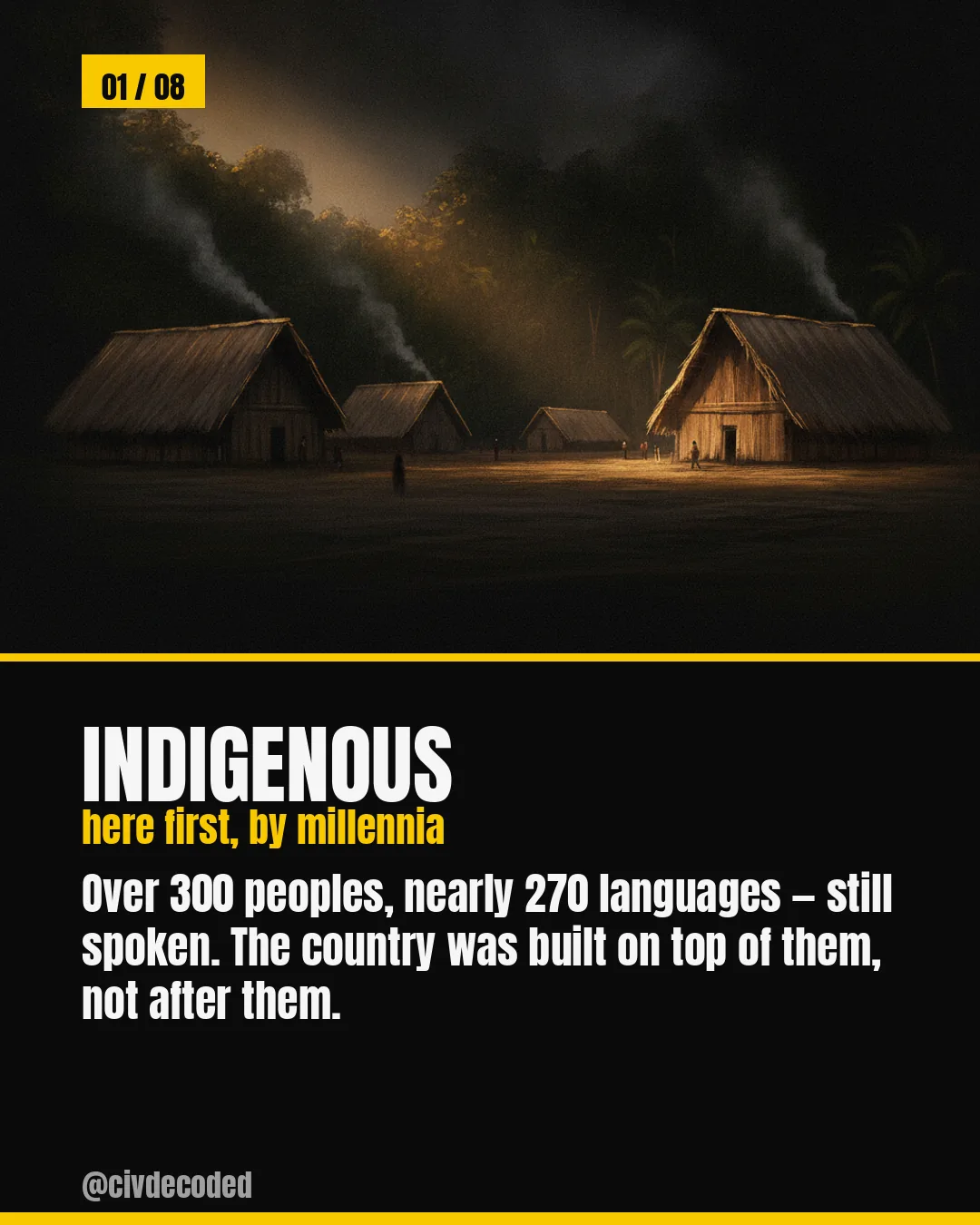
Indigenous — here first, by millennia. Over 300 peoples and nearly 270 languages are still spoken; the country was built on top of them, not after them.
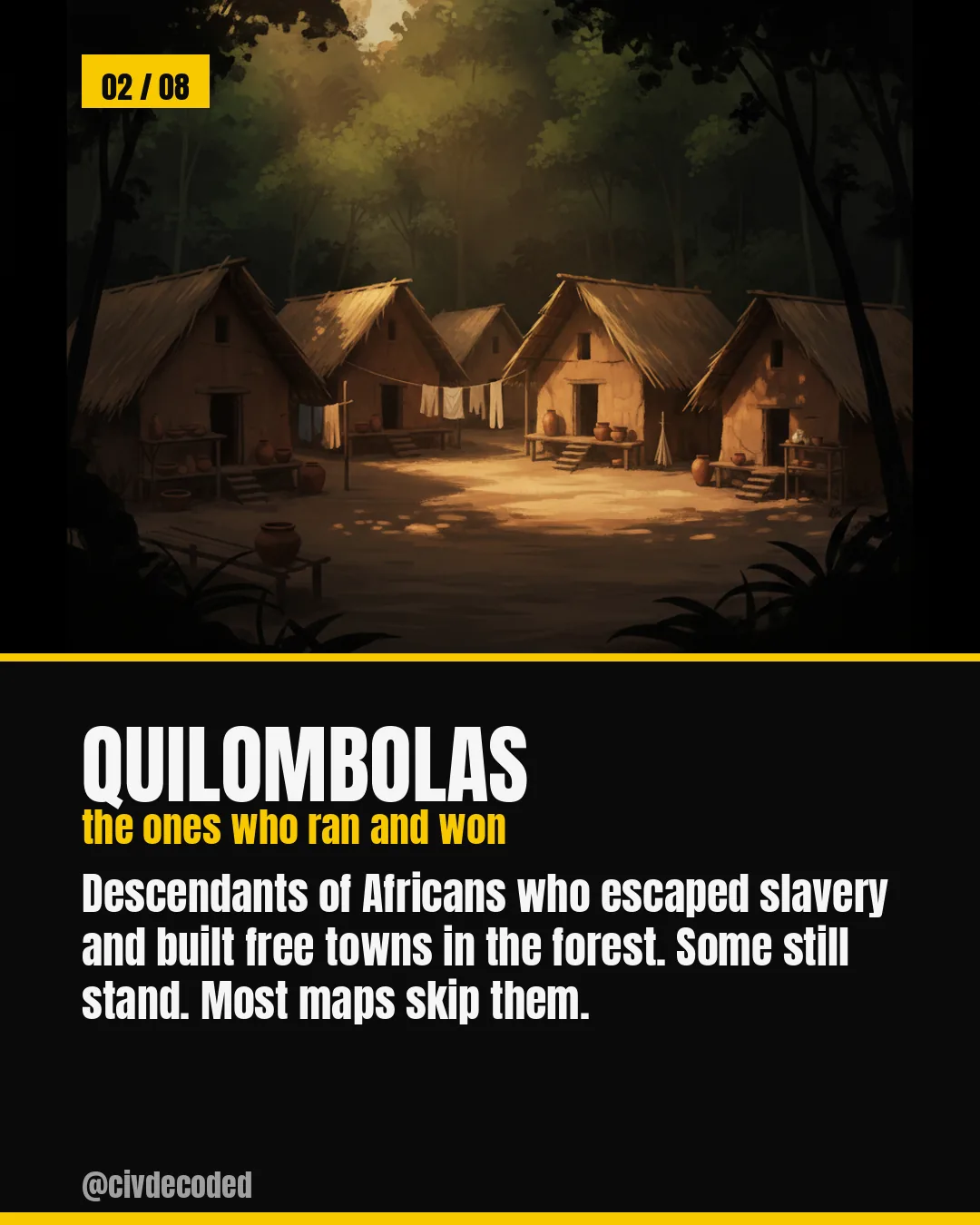
Quilombolas — the ones who ran and won. Descendants of Africans who escaped slavery and built free towns in the forest; some still stand, but most maps skip them.
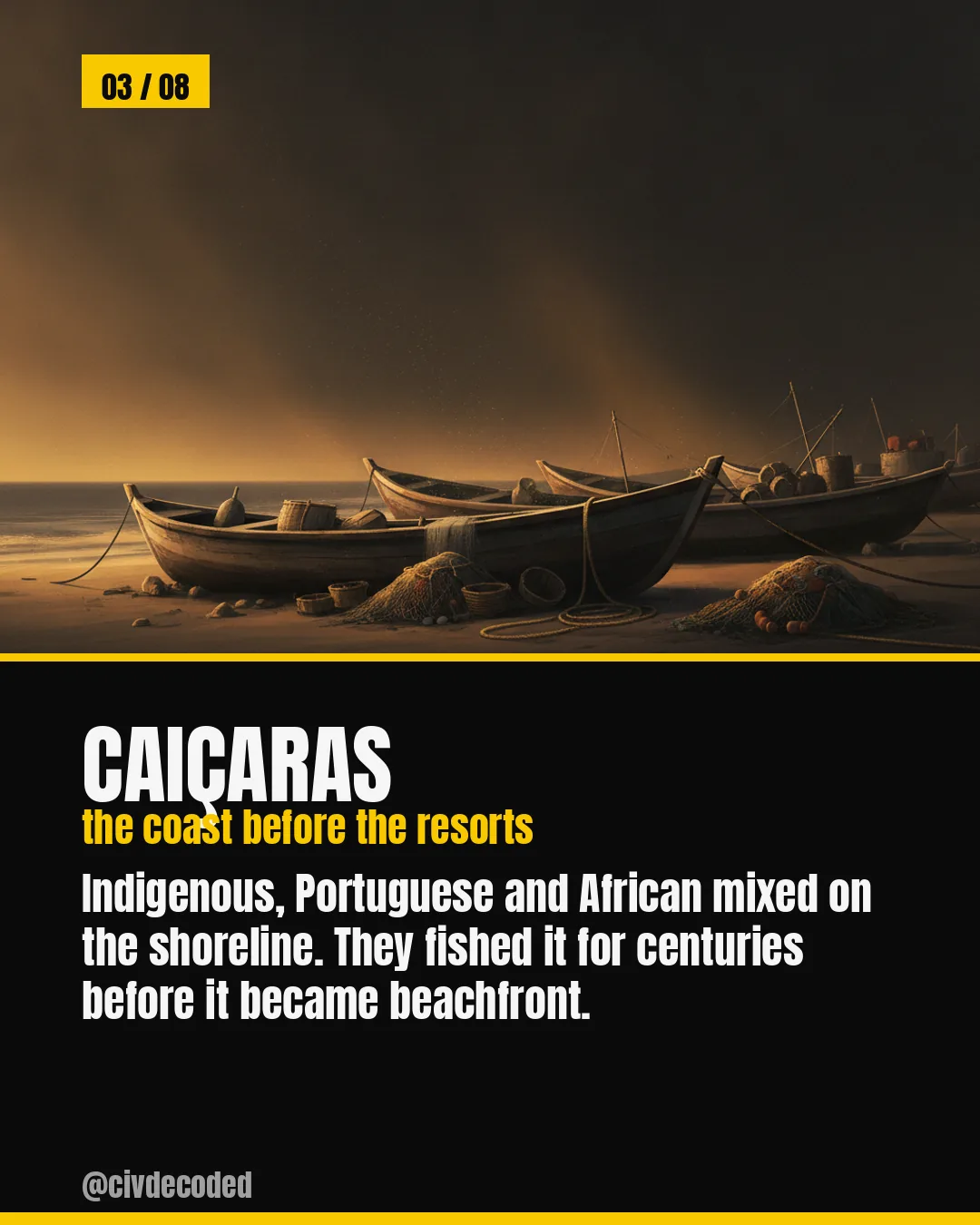
Caiçaras — the coast before the resorts. Indigenous, Portuguese, and African people mixed on the shoreline and fished it for centuries before it became beachfront.
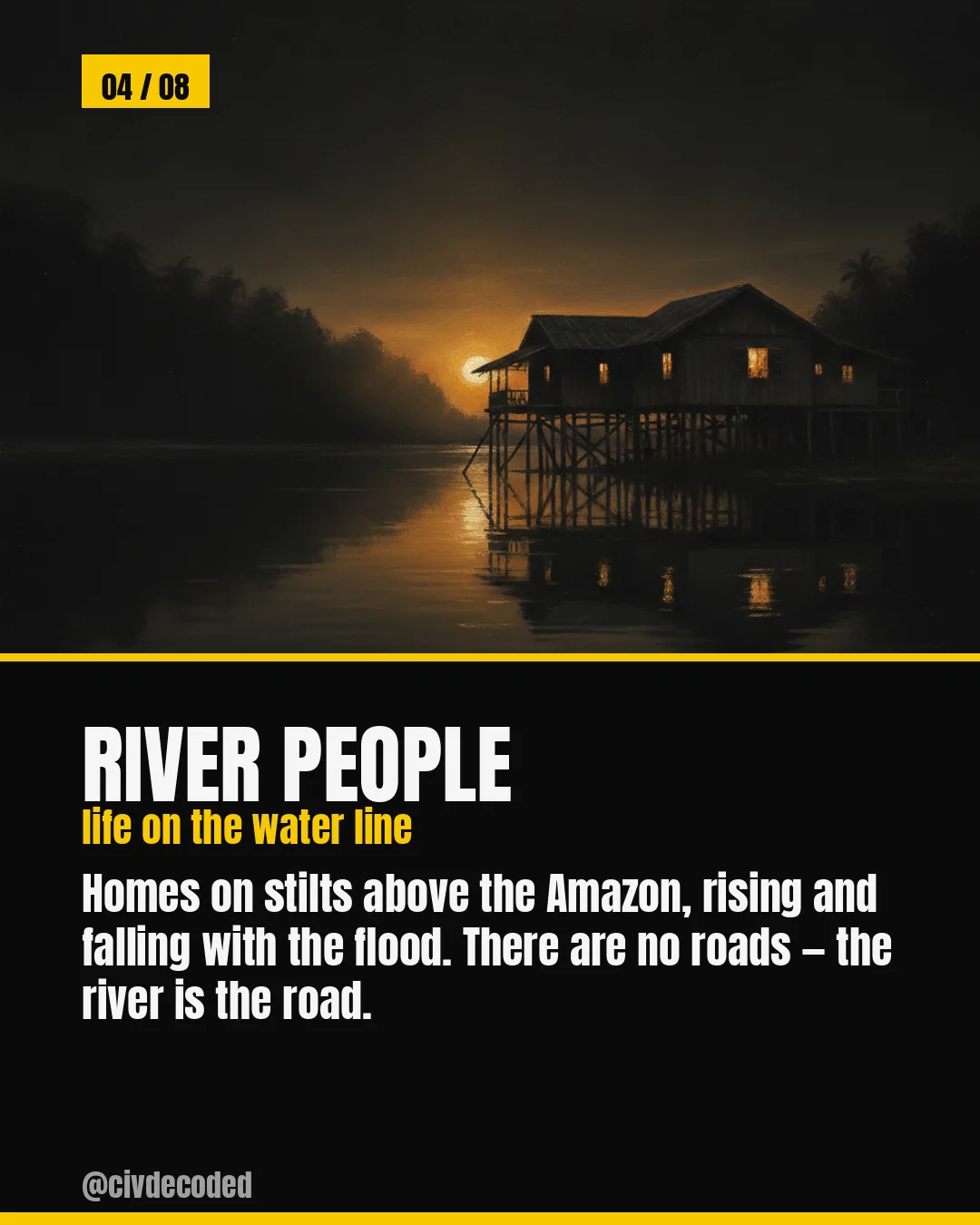
River People — life on the water line. Homes on stilts above the Amazon rise and fall with the flood; there are no roads, the river is the road.
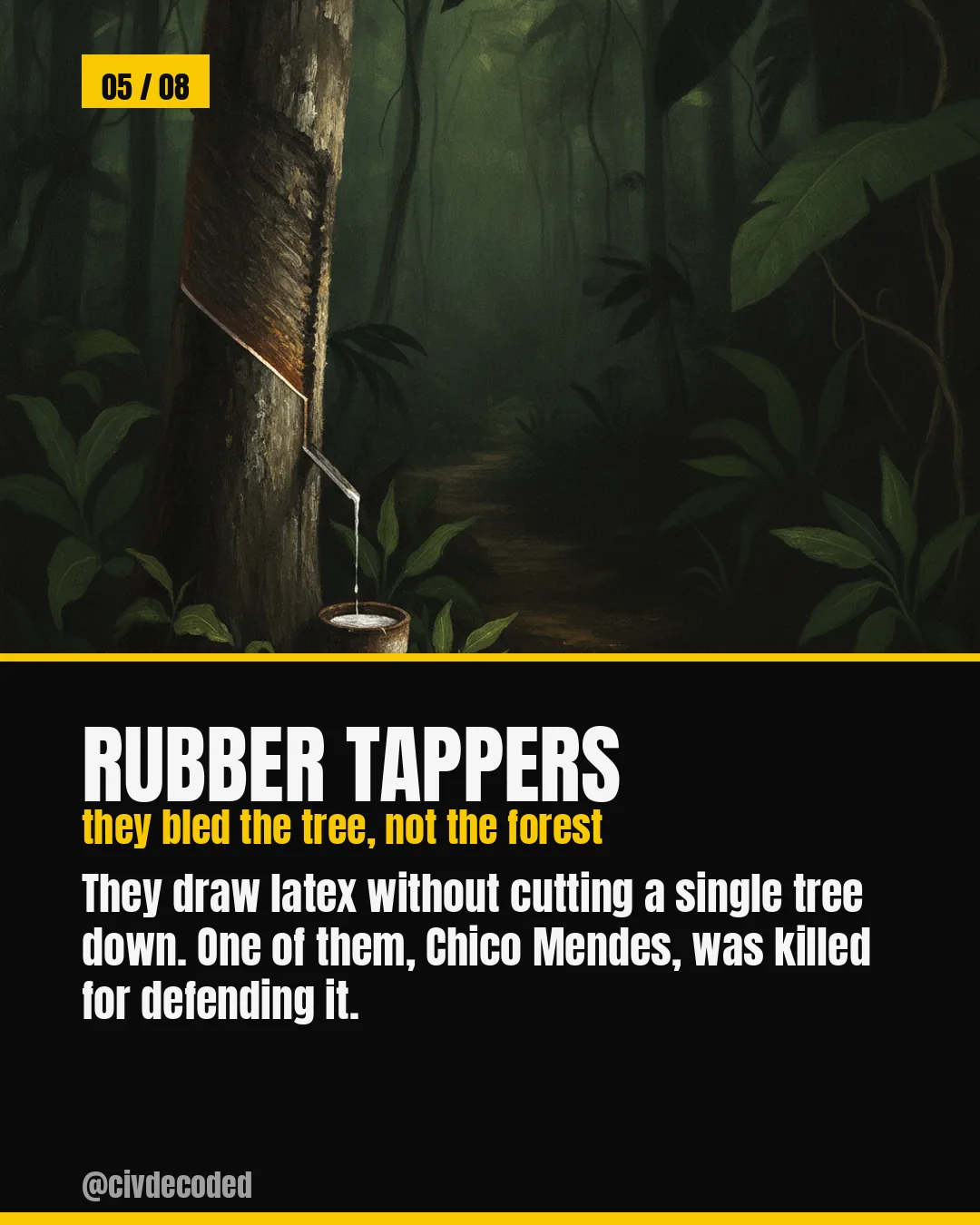
Rubber Tappers — they bled the tree, not the forest. They draw latex without cutting a single tree down; one of them, Chico Mendes, was killed for defending it.
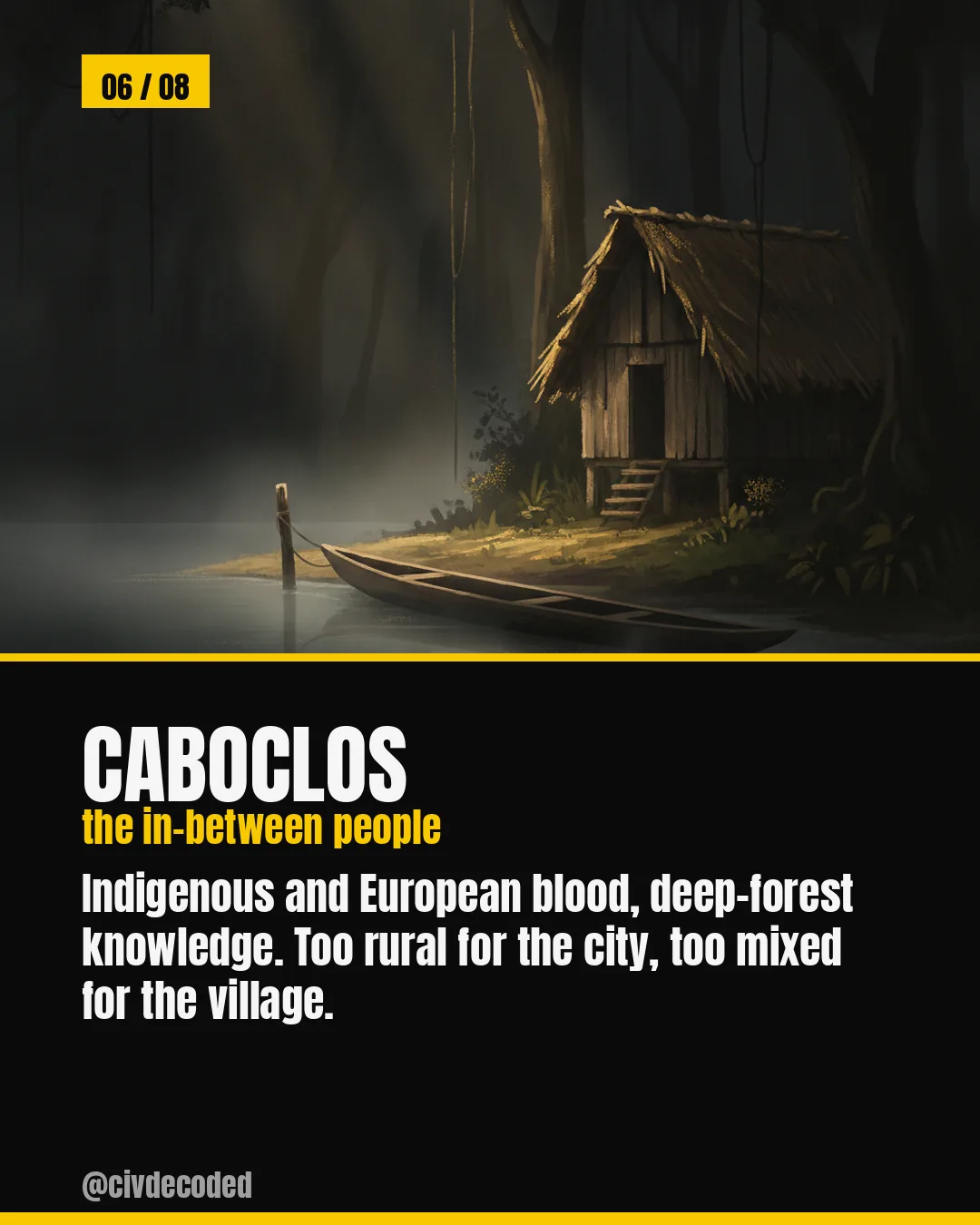
Caboclos — the in-between people. Indigenous and European blood with deep-forest knowledge; too rural for the city, too mixed for the village.
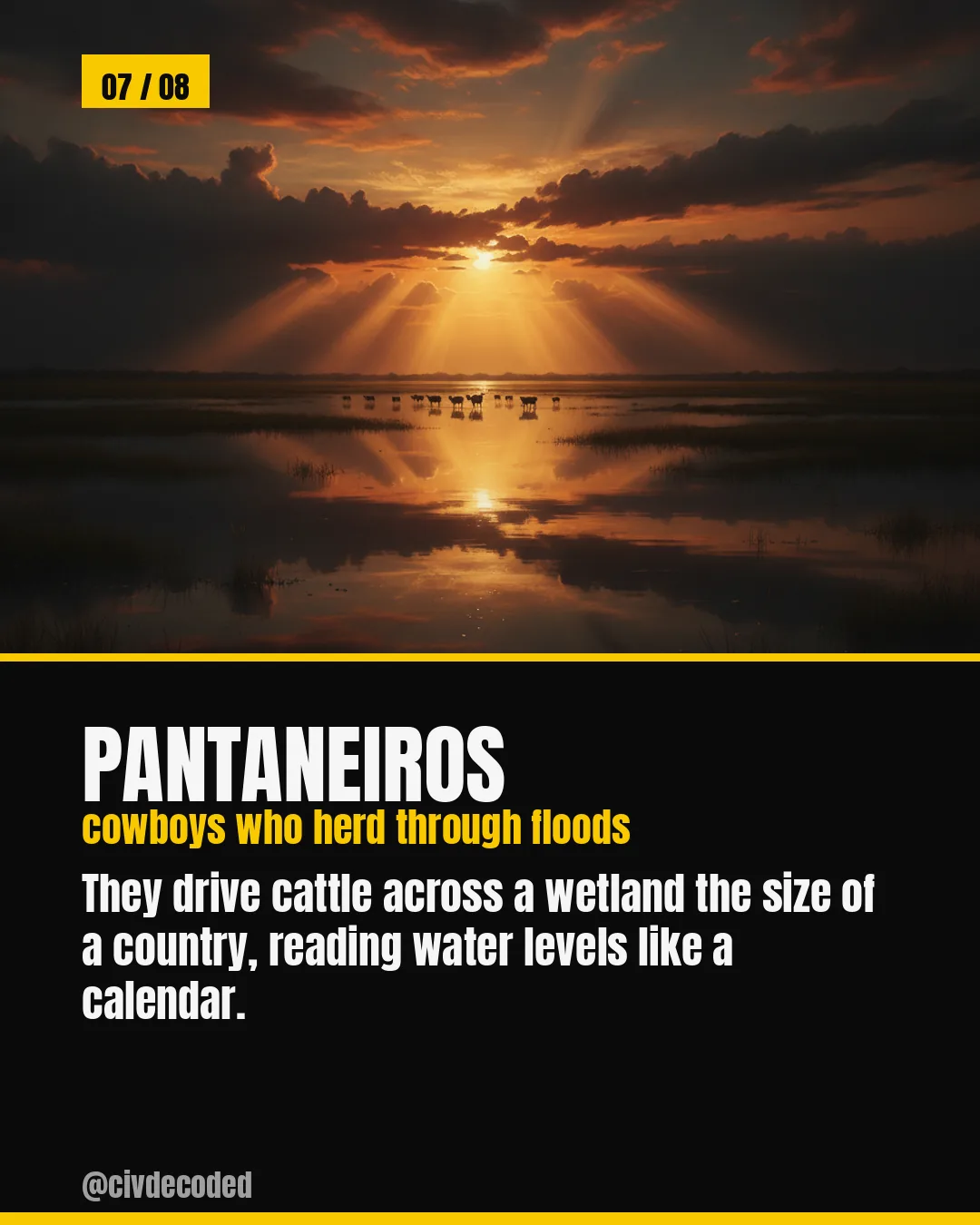
Pantaneiros — cowboys who herd through floods. They drive cattle across a wetland the size of a country, reading water levels like a calendar.
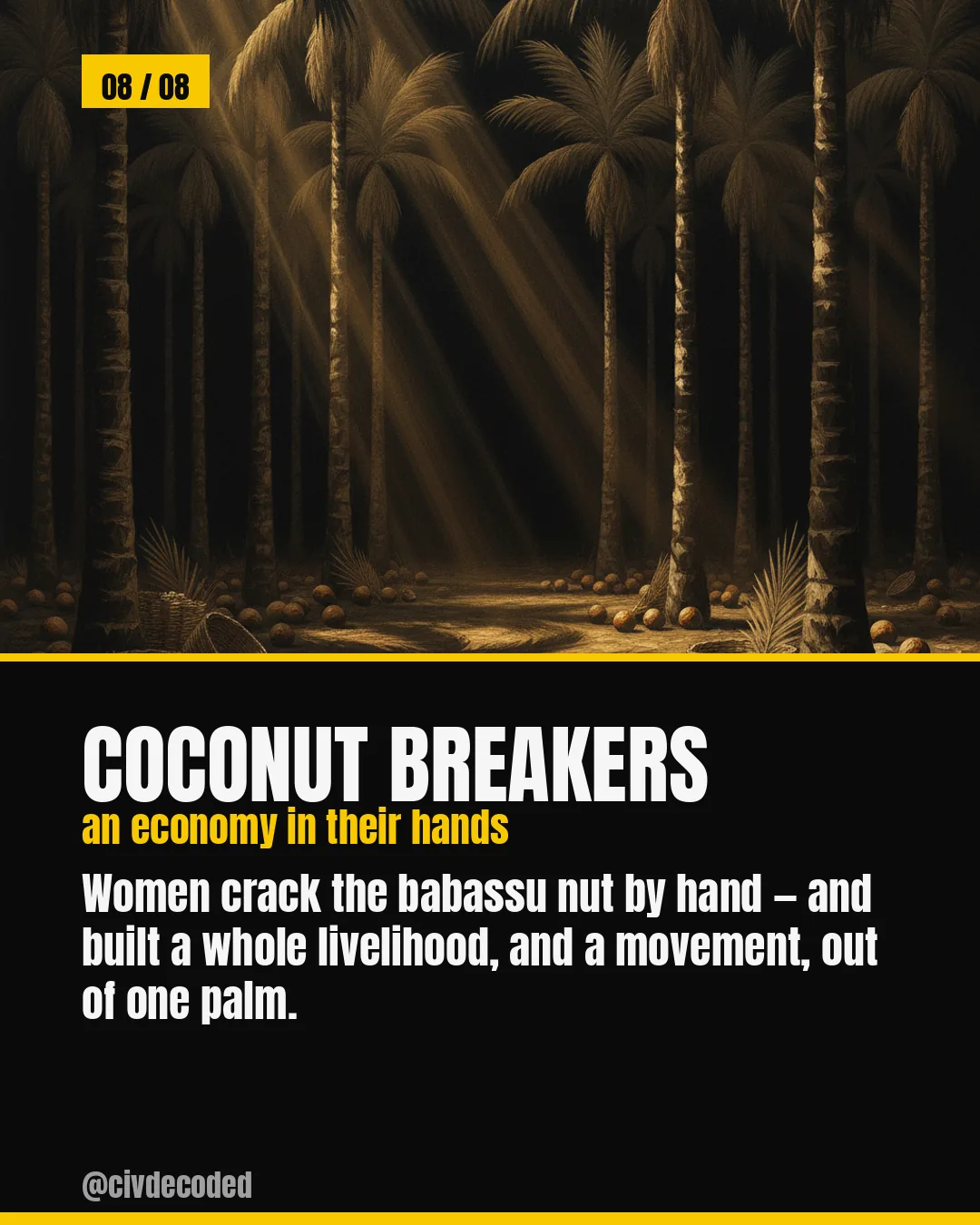
Coconut Breakers — an economy in their hands. Women crack the babassu nut by hand, building a whole livelihood, and a movement, out of one palm.
Follow CivDecoded for more history, decoded through data.

1 / 10

Brazil holds over 300 Indigenous peoples speaking nearly 270 languages, alongside Quilombola towns founded by Africans who escaped slavery and river-dwelling communities whose only road is the Amazon itself. Rubber tappers like Chico Mendes draw latex without cutting down a single tree, while Caiçaras, Caboclos, Pantaneiros, and babassu coconut breakers each built distinct livelihoods around one coastline, forest, wetland, or palm. Most of these cultures were shaped by the land long before the country around them existed in its current form.