← All carousels

Why did civilizations worship rivers?

From a flood god's yearly gift to a river with legal human rights — seven waterways ancient and modern cultures believed were alive.
Cover — why did civilizations worship rivers?
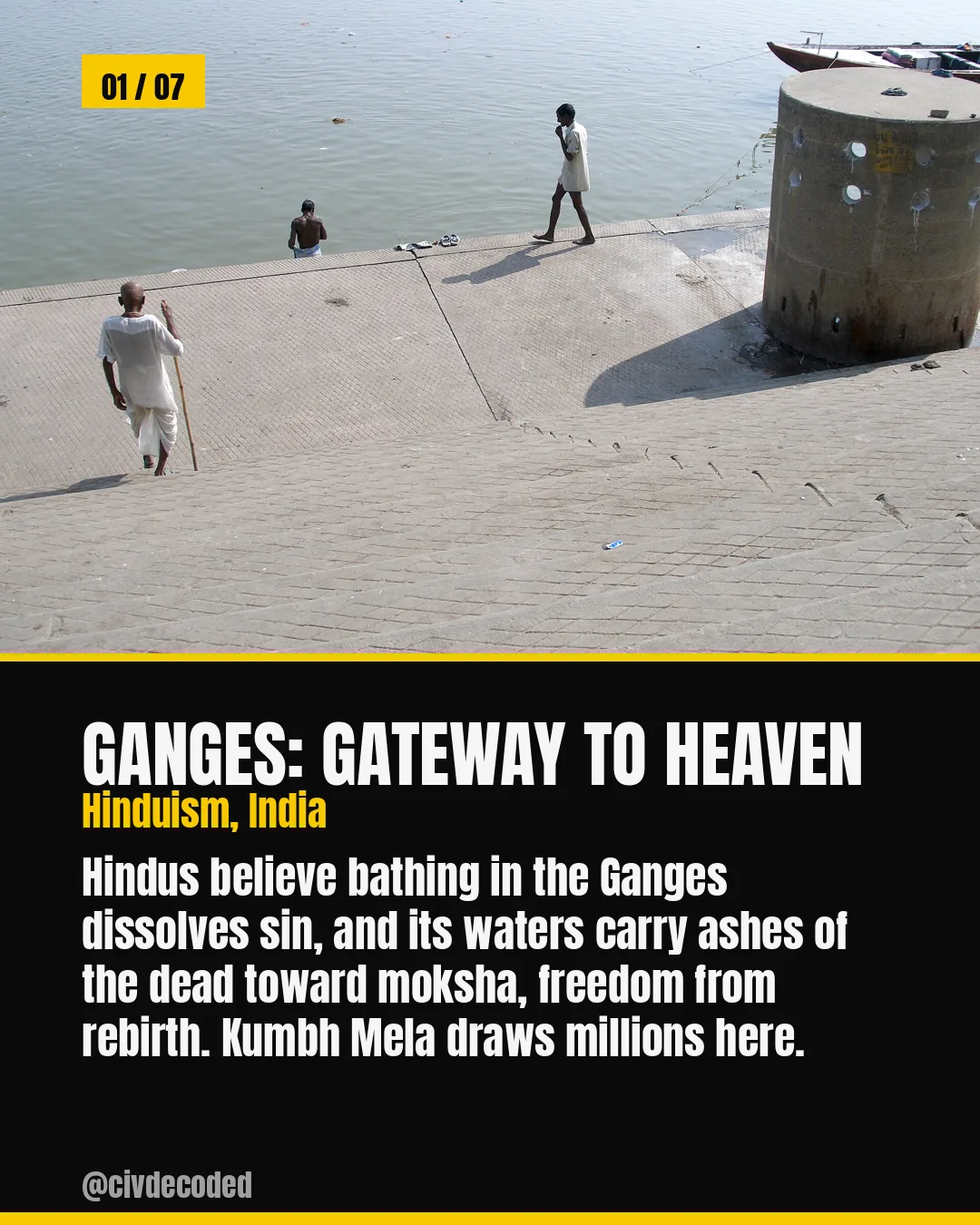
Ganges: Gateway to Heaven — Hinduism's sacred river of moksha and the Kumbh Mela, India
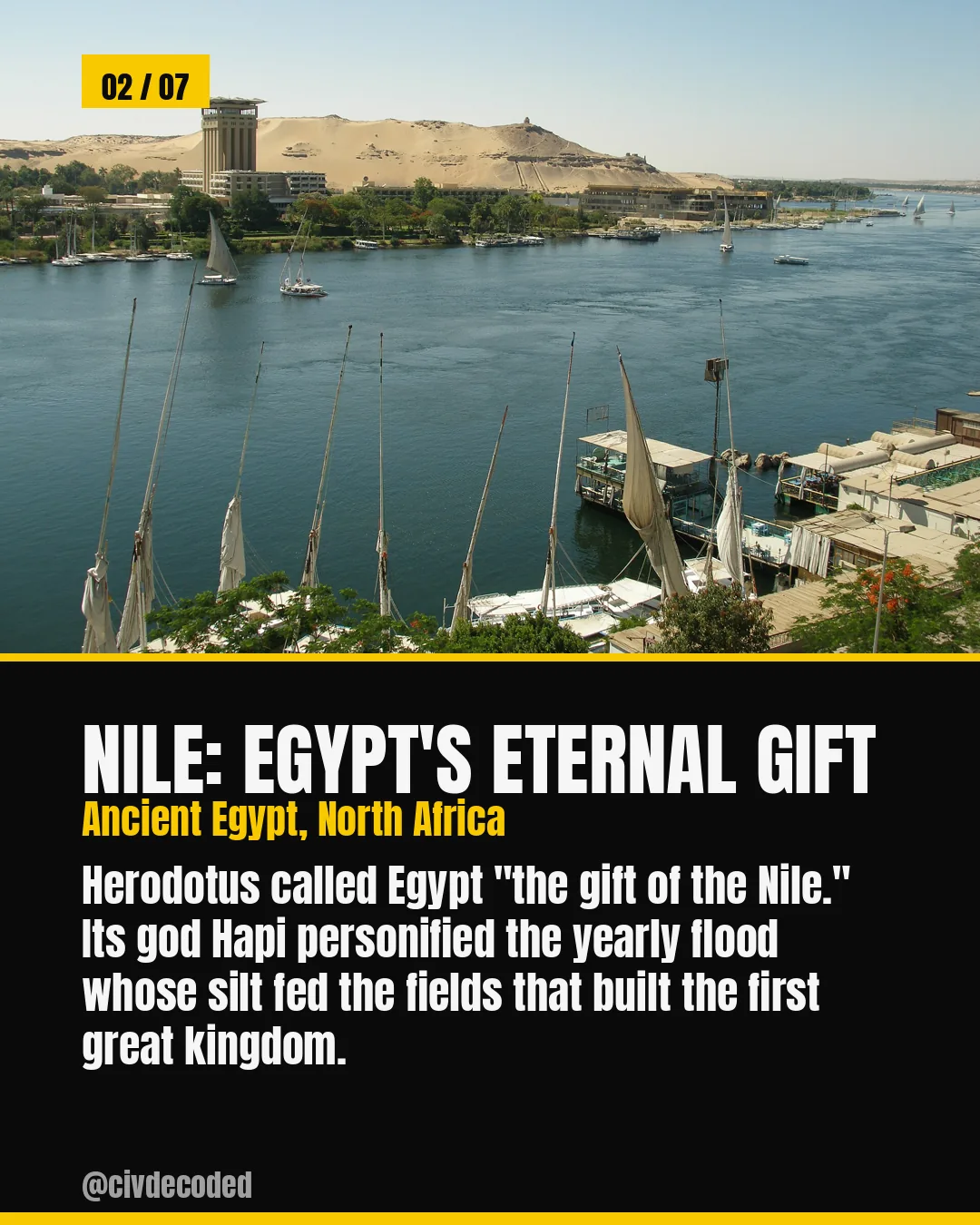
Nile: Egypt's Eternal Gift — the flood god Hapi and the birth of ancient Egypt, North Africa
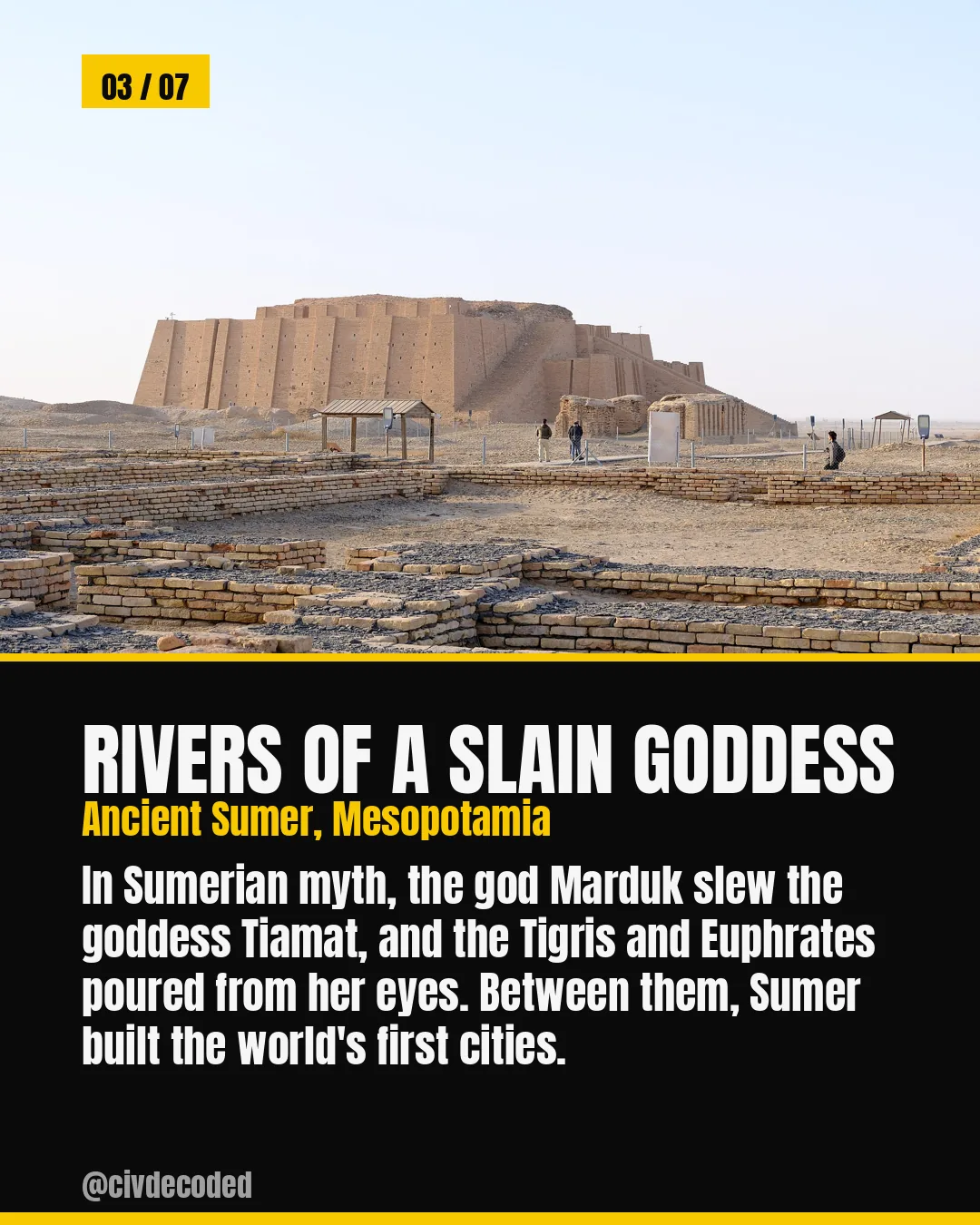
Rivers of a Slain Goddess — the Tigris and Euphrates, born from Tiamat's eyes in Sumerian myth, Mesopotamia
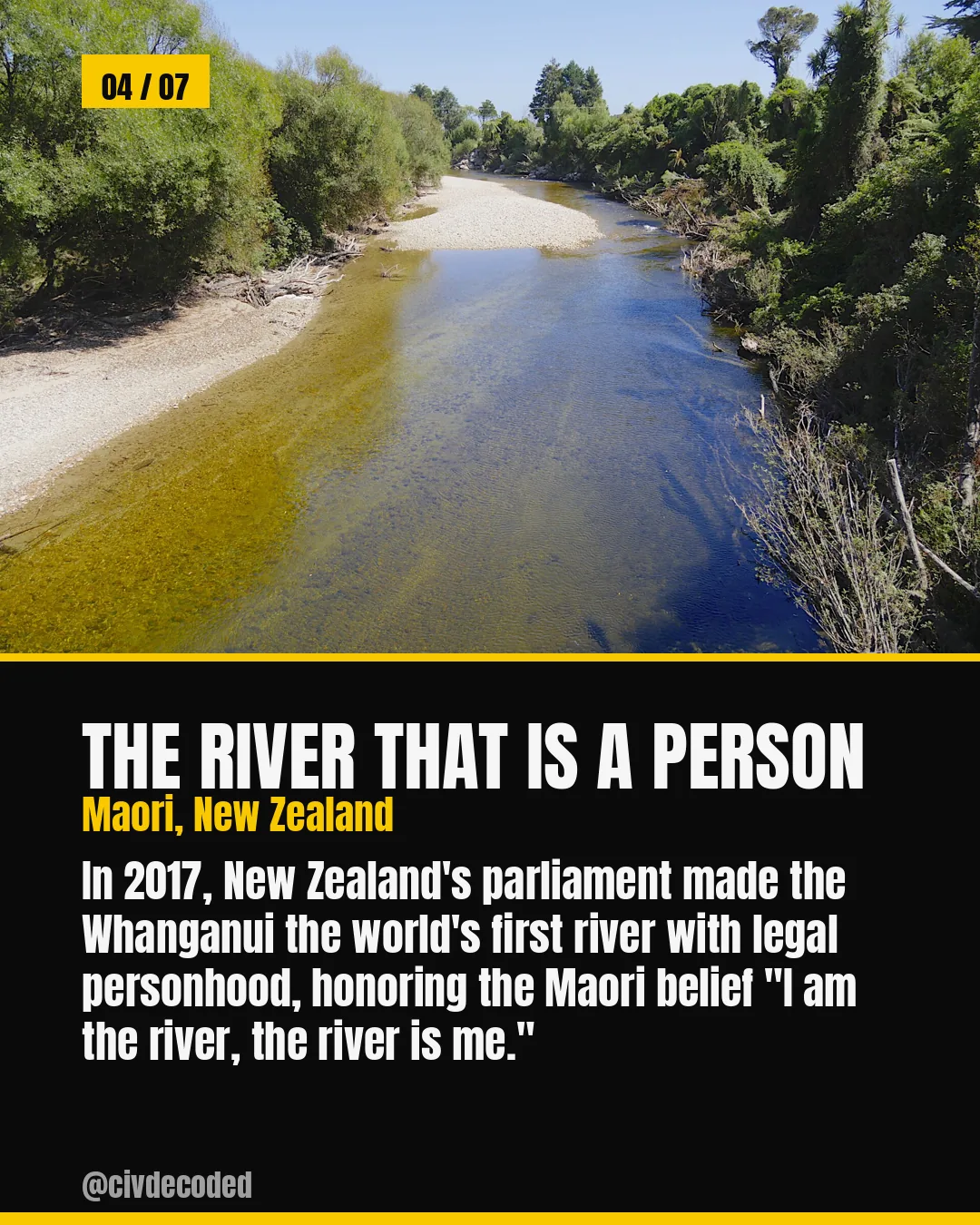
The River That Is a Person — New Zealand's Whanganui River, the first in the world granted legal personhood, 2017
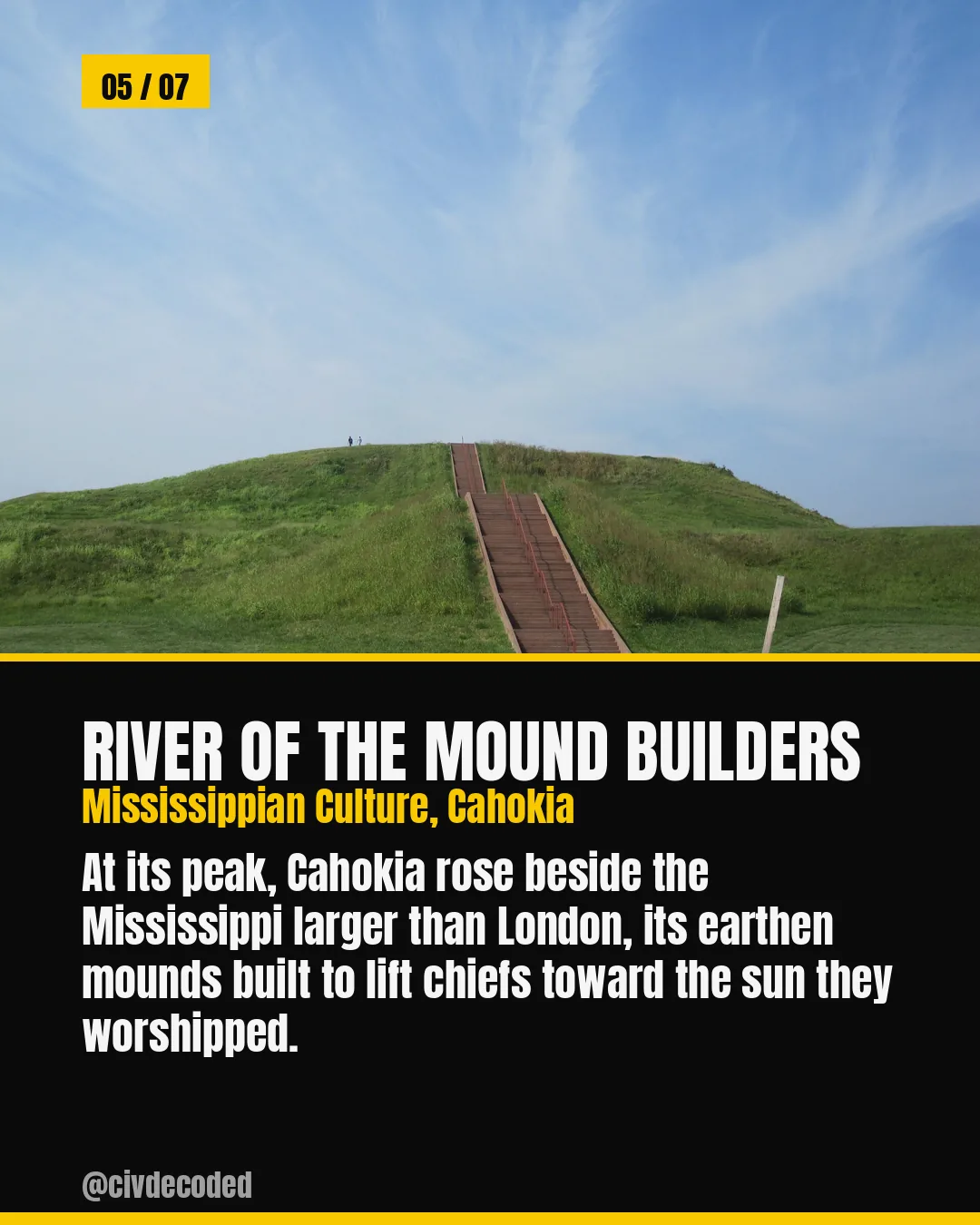
River of the Mound Builders — the Mississippi and Cahokia, a city once larger than London
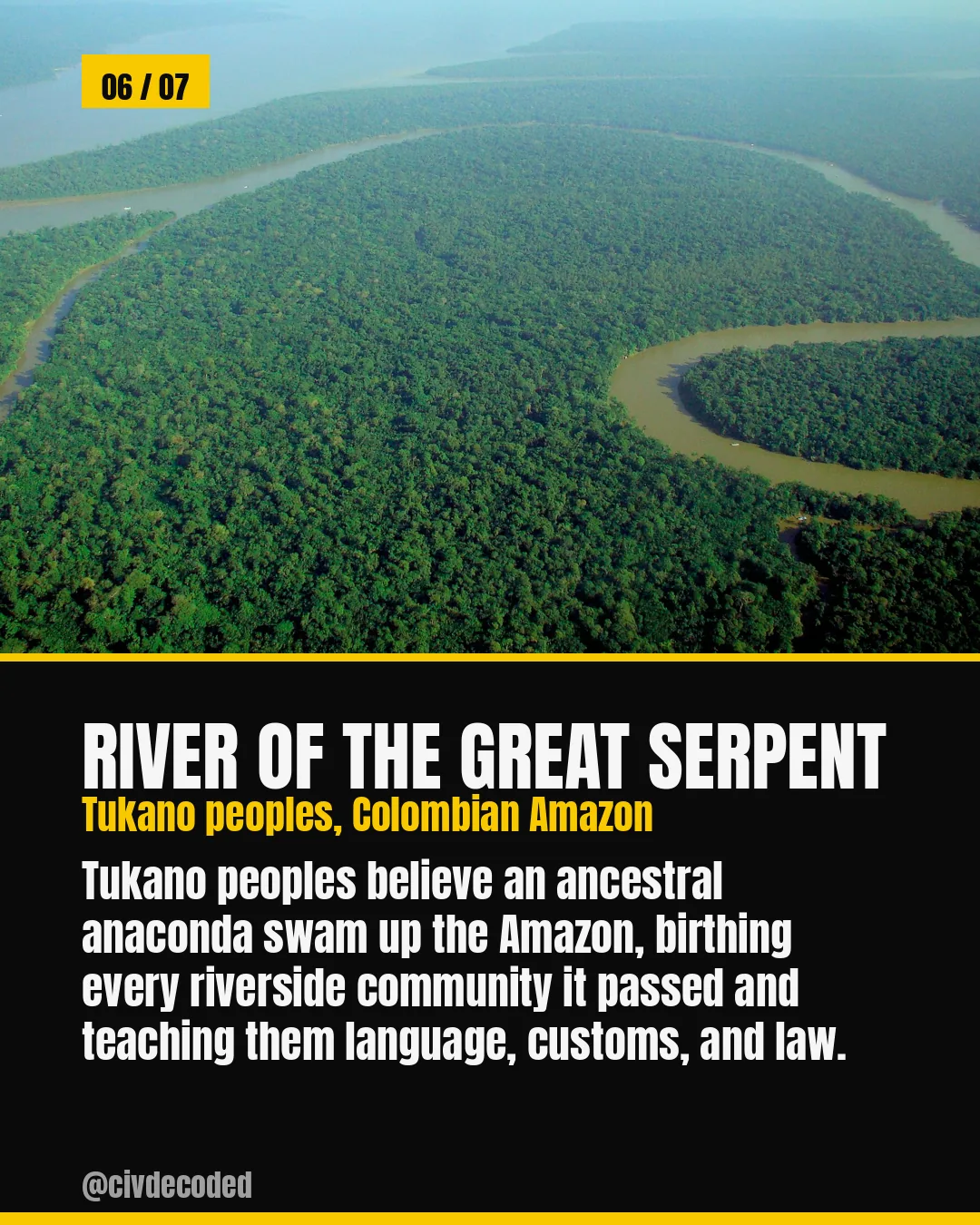
River of the Great Serpent — the Amazon and the Tukano peoples' ancestral anaconda, Colombian Amazon
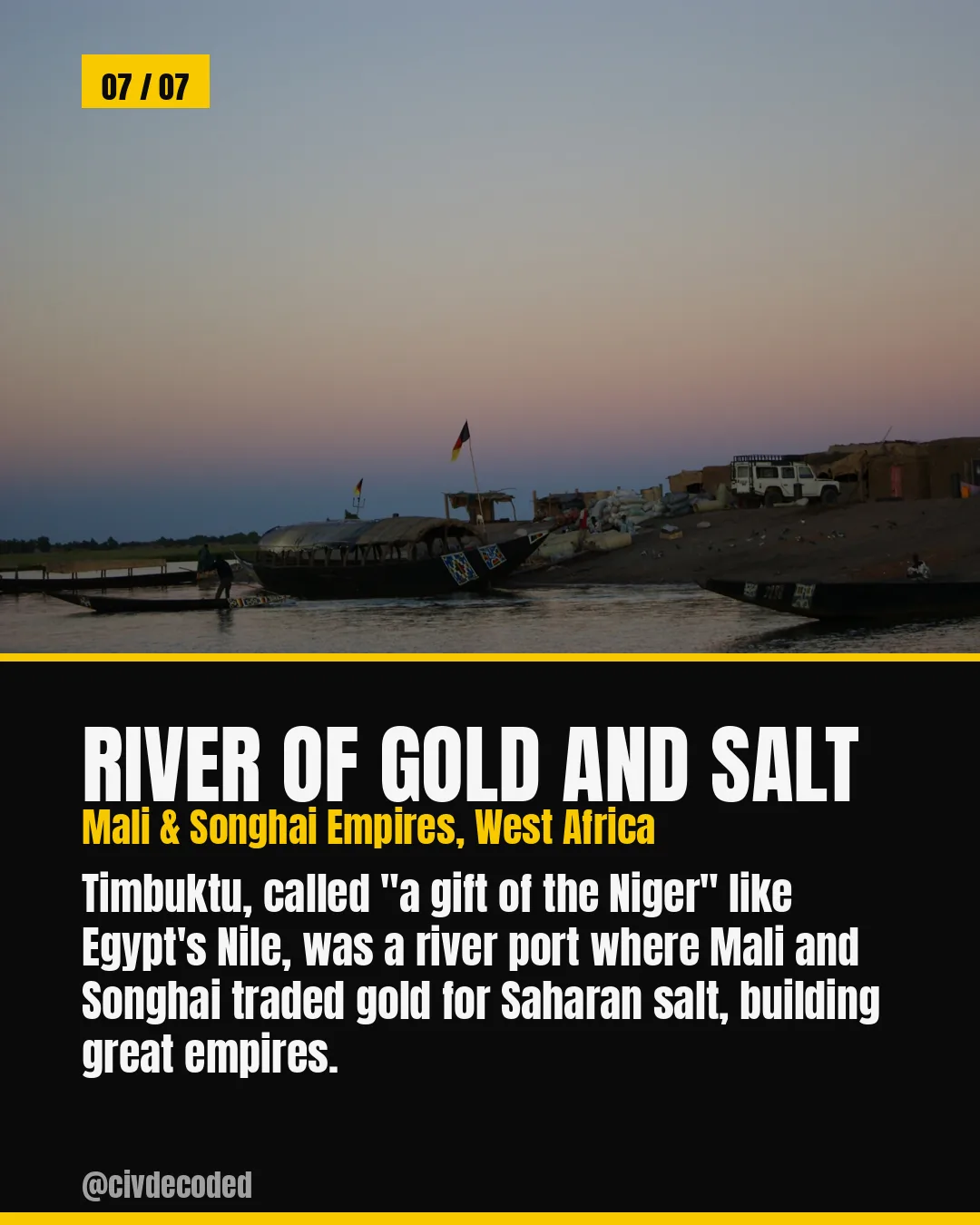
River of Gold and Salt — the Niger River and Timbuktu, where Mali and Songhai traded gold for Saharan salt
Follow CivDecoded for more history, decoded through data.

1 / 9

Egypt called the Nile a gift and built its first kingdom on the yearly flood. Hindus still bathe in the Ganges to dissolve sin and send the dead toward moksha. The Tukano peoples believe an ancestral anaconda swam up the Amazon and taught them law. In 2017, New Zealand's parliament made the Whanganui the first river on Earth with legal personhood. Seven rivers, seven civilizations, the same instinct: some water was never just water.